
Cleaner Water Throughout Your Home
Water Filtration and Water Softener Systems in Denham Springs for homes with hard water or contaminant concerns
Global Plumbing Repairs LLC installs whole-home water filtration and softener systems for homeowners in Denham Springs who notice white scale buildup on faucets, soap scum that resists scrubbing, or mineral stains on glassware that persist despite rinse cycles. Hard water carries dissolved calcium and magnesium that precipitate out when heated, leaving crusty deposits inside water heaters, reducing appliance efficiency, and shortening fixture lifespan. Filtration systems address sediment, chlorine taste, or other contaminants present in municipal or well water, improving both water quality and the longevity of plumbing components.
Installation begins with testing your water to determine hardness levels measured in grains per gallon and identifying any specific contaminants that require targeted filtration media. Softeners use ion exchange resin to replace calcium and magnesium with sodium, preventing scale formation throughout the distribution system. The unit mounts near the main water line entry point, with a bypass valve that allows raw water to flow during regeneration cycles when the resin bed flushes and recharges. Filtration systems may use sediment cartridges, activated carbon blocks, or multi-stage housings depending on what needs removal, and they install inline ahead of the softener to protect the resin from fouling.
If you are dealing with scale buildup on fixtures or want to address water quality throughout your home in Denham Springs, contact Global Plumbing Repairs LLC to discuss system selection and installation.
What You Notice After the System Starts Running
Softened water feels slicker on your skin because soap lathers more easily without competing against mineral ions, so you use less detergent for laundry and less soap for bathing. Scale stops forming on showerheads and faucet aerators, and existing buildup gradually dissolves as softened water circulates through the plumbing. Water heaters operate more efficiently because heating elements and tank interiors remain free of the insulating mineral layers that force the system to work harder and consume more energy.
The crew provides a clear operational walkthrough, showing you how to add salt to the brine tank, adjust regeneration schedules based on water usage, and recognize when filter cartridges need replacement. Regeneration cycles typically occur during low-demand periods overnight, using a small amount of water to flush the resin bed and restore its ion exchange capacity. You also learn what maintenance tasks fall to the homeowner—such as keeping the brine tank clean and monitoring salt levels—and what service intervals the system requires, such as annual resin bed sanitizing or valve inspections.
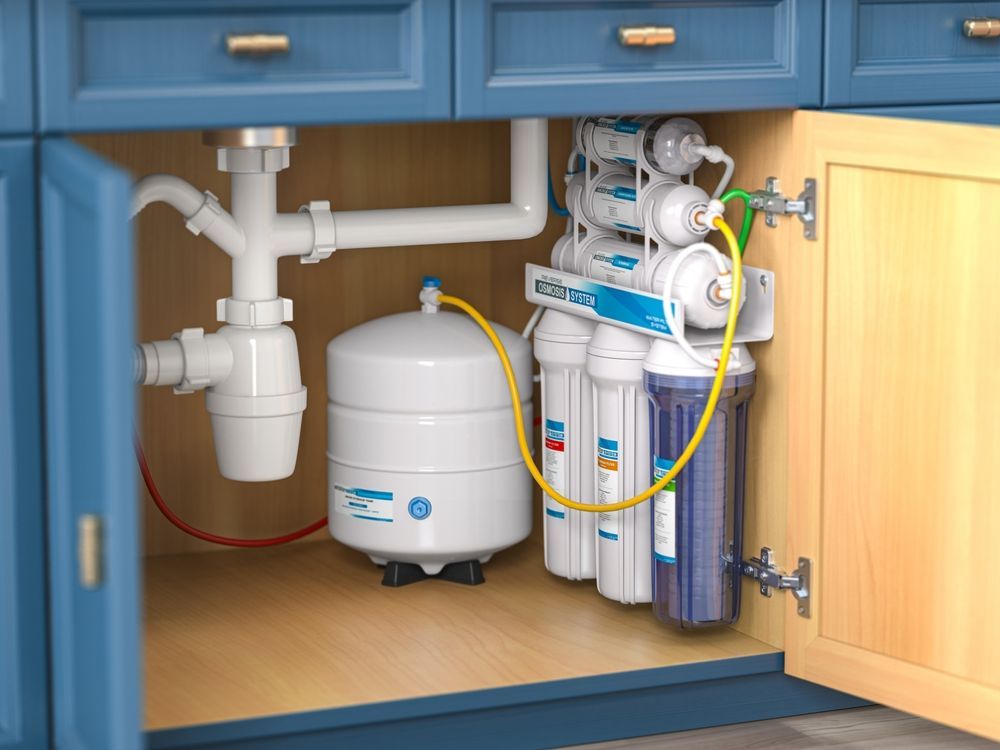
Filtration systems vary in complexity depending on what contaminants need removal, so installation includes guidance on cartridge replacement intervals and flow rate expectations. Sediment filters clog faster in homes with well water or older municipal lines that carry rust particles, requiring more frequent changes than carbon filters that address taste and odor. Whole-home systems differ from point-of-use filters mounted under a single sink—they treat all water entering the home, protecting appliances and fixtures throughout the distribution network rather than just improving drinking water quality at one tap.
Questions About Water Treatment Systems
Homeowners in Denham Springs often ask how softeners and filters differ and what maintenance the systems require over time.
What does a water softener actually remove?
Softeners remove calcium and magnesium through ion exchange, preventing scale buildup but not addressing sediment, chlorine, or other dissolved contaminants that require separate filtration.
How often do I need to add salt to the brine tank?
Salt usage depends on water hardness and household consumption, but most homes refill the brine tank every four to six weeks to maintain regeneration capacity.
When should I replace filter cartridges?
Sediment filters typically need replacement every three to six months, while carbon filters last six to twelve months depending on water quality and flow volume.
Why does softened water feel slippery?
The slick sensation occurs because soap lathers more completely without mineral interference, leaving less soap residue on your skin compared to hard water that binds with calcium and magnesium.
Global Plumbing Repairs LLC installs water treatment systems tailored to the specific conditions found in Denham Springs homes. Call (225) 397-4432 to schedule water testing and discuss filtration or softening options that protect your plumbing and improve daily water quality.