
Build New Homes With Full Plumbing System Installation
New Construction Plumbing in Denham Springs for complete water, sewer, and gas line setup from rough-in to final fixtures
Global Plumbing Repairs LLC installs the entire plumbing system in your new home in Denham Springs, from underground sewer and water service lines to the fixtures that go live on closing day. You need this service when you are building a custom home, working with a general contractor on a spec build, or managing a residential development that requires coordinated plumbing installation across multiple phases. The work includes planning pipe routes during the design phase, installing underground utilities before the slab is poured, roughing in water and drain lines after framing, and returning for final fixture installation once walls, flooring, and cabinetry are complete.
New construction plumbing begins with connecting your home to municipal water and sewer or installing a well and septic system if your lot is outside city limits. Once those connections are in place, supply lines and drain pipes are installed inside the foundation and routed through walls and ceilings to reach every bathroom, kitchen, laundry room, and outdoor hose bib. Global Plumbing Repairs LLC uses modern materials like PEX for supply lines and PVC or ABS for drainage, which meet current code requirements and offer long-term reliability without the corrosion issues found in older pipe types.
If you are breaking ground on a new home in Denham Springs or working with a builder who needs a licensed plumber, reach out to discuss your project timeline and system design before the foundation goes in.
Why Rough-In Timing Affects Every Trade That Follows
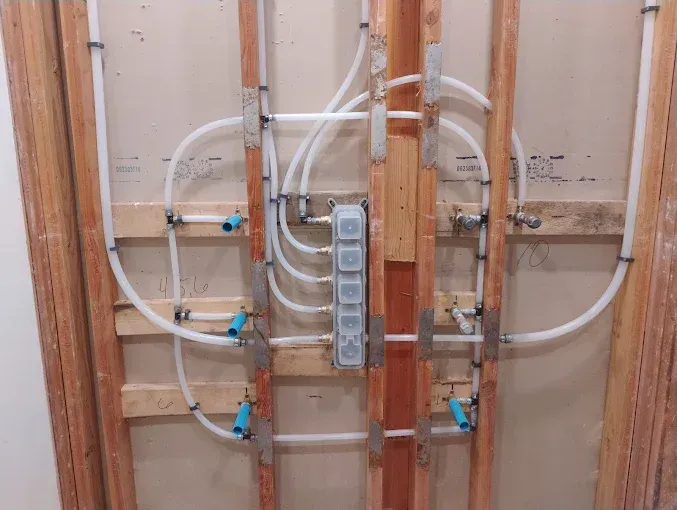
Plumbing rough-in happens after framing is complete but before insulation, drywall, or any finish materials go up. During this phase, water supply lines are run through studs and joists, drain pipes are installed with the correct slope, and vent stacks are routed through the roof to allow proper drainage. Global Plumbing Repairs LLC coordinates with your builder to ensure rough-in is inspected and approved before walls close, because any corrections found later require cutting into finished surfaces.
When the final fixtures are installed, you will notice that water pressure is consistent throughout the house, drains empty quickly without gurgling or slow flow, and there are no leaks at supply connections or waste lines. Toilets flush completely, showers maintain temperature when other fixtures are in use, and the water heater keeps up with demand during peak morning hours. These outcomes depend on proper pipe sizing, correct vent placement, and secure connections made during rough-in and tested under pressure before drywall goes up.
Gas line installation follows similar timing, with pipes roughed in during the framing phase and appliances connected once the home is near completion. If your new home includes a gas range, tankless water heater, or fireplace, those lines must be pressure tested and inspected separately. Builders who miss these inspections face delays that push back drywall, flooring, and other trades waiting to start work.
What Builders and Homeowners Ask About New Construction Plumbing
New construction projects involve multiple inspections and trade coordination, and understanding how plumbing fits into the schedule helps avoid costly delays.
When does the plumber first come to the site during a new build?
The plumber installs underground water and sewer lines before the foundation is poured, then returns after framing to rough in supply and drain lines inside the structure.
What is included in a rough-in plumbing inspection?
The inspector checks pipe sizing, drain slope, vent placement, and secure connections, and verifies that all work meets local code before allowing walls to close.
How long does rough-in plumbing take for a typical single-family home?
Most single-family homes require three to five days for rough-in, depending on the number of bathrooms, whether gas lines are installed, and site conditions that affect access.
Why do supply lines use PEX instead of copper in most new homes?
PEX is faster to install, resists freeze damage better than copper, and costs less while meeting the same code standards for potable water distribution.
If your new home is in the planning or framing stage and you need a plumber who understands build schedules and code requirements, contact Global Plumbing Repairs LLC to review your plans and lock in a rough-in date that keeps your project moving.