
Extend Plumbing Systems Into New Rooms Without Overloading Existing Lines
Plumbing for Home Additions in Denham Springs for integrating new fixtures and supply lines with existing water and sewer systems
Global Plumbing Repairs LLC runs plumbing to your new addition in Denham Springs, connecting new bathrooms, kitchens, or laundry rooms to your existing water, drain, and gas systems without compromising flow or pressure elsewhere in the house. You need this service when you are adding square footage to your home, converting a garage into livable space, or building a detached suite that requires full plumbing service. The work includes evaluating your current system to confirm it can handle the additional load, running new supply and drain lines through walls or under floors, and installing fixtures that match the design and function of the new space.
Home additions often involve tying into existing plumbing that was sized for the original structure, and adding a bathroom or kitchen can strain water pressure or slow drainage if the main lines are not upgraded. Global Plumbing Repairs LLC assesses the diameter of your supply lines, the capacity of your water heater, and the slope and size of your drain lines to determine whether the existing system can support the addition or if certain sections need to be replaced with larger pipe before the new lines are connected.
If you are planning a home addition in Denham Springs and need plumbing that integrates cleanly with your current system, reach out to discuss your layout and timeline before framing begins.
Why Load Capacity Matters When Adding Bathrooms or Kitchens
When you add a bathroom to your home, you are introducing a toilet, sink, and possibly a shower that all draw from the same water supply and drain into the same sewer line as your existing fixtures. If your main supply line is undersized or your water heater is at capacity, you will notice pressure drops when multiple fixtures run at the same time, or the new shower may run out of hot water faster than expected. Global Plumbing Repairs LLC measures flow rates and reviews your current system layout to identify bottlenecks before new lines are installed.
Once the new plumbing is installed and tested, you will notice that water pressure remains steady throughout the house even when the new bathroom or kitchen is in use, drains clear quickly without backups, and the water heater maintains temperature during peak demand. Toilets in the new space flush completely without affecting other fixtures, and there are no leaks or slow drains that suggest improper slope or undersized pipe.
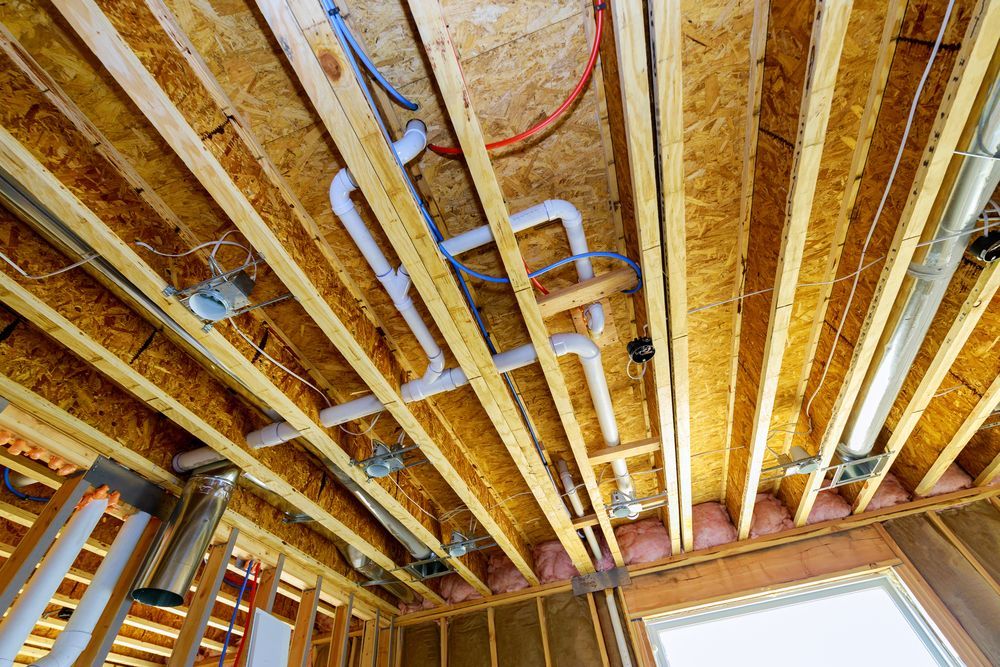
Drain line integration requires careful attention to slope and venting, because adding a new fixture too far from the main stack can create slow drainage or sewer gas odors if the vent is not extended properly. If your addition is on a second story or far from the existing drain stack, new vent pipes may need to be routed through the attic and out the roof. These details are addressed during rough-in and inspected before walls close.
What Homeowners Ask About Plumbing for Additions
Adding plumbing to a new room brings up questions about system capacity, connection points, and how the work affects the rest of your home.
How do you connect new plumbing to an existing system?
New supply lines are tapped into the nearest hot and cold water pipes using tee fittings, and new drain lines tie into the existing waste stack or branch line with fittings that maintain proper slope and venting.
What happens if the existing water heater cannot keep up with the new demand?
If your current heater is undersized, you may need to upgrade to a larger tank or switch to a tankless model that provides continuous hot water for multiple fixtures running simultaneously.
Why does adding a bathroom sometimes require a new vent pipe?
Every drain line needs a vent to allow air into the system so waste flows freely, and if the new bathroom is too far from the existing vent stack, a new vent must be installed to prevent slow drains and sewer gas buildup.
How long does plumbing installation take for a typical room addition?
Rough-in work usually takes two to four days depending on the number of fixtures, distance from existing plumbing, and whether walls or floors need to be opened to access connection points.
If your home addition is moving forward and you need plumbing installed that works reliably with your existing system, contact Global Plumbing Repairs LLC to review your plans and schedule rough-in work that keeps your project on track.